优先级队列
题目
实现一个优先级队列(二叉堆)
实现代码
通过完全二叉树来实现,并且底层使用数组来构建完全二叉树的逻辑结构
1 |
|
数组构建完全二叉树的原理
优先级队列(二叉堆)的定义:
树结构的任意节点的值都必须大于或等于小于其左右子数所有节点的值;
完全二叉树的定义:
每一层节点都是紧凑靠左排列的,并且除了最后一层,其他层都是满的,如下图:
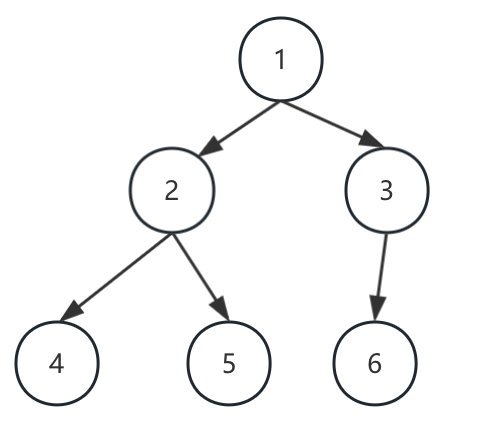
那么,使用数组进行构建则如下:
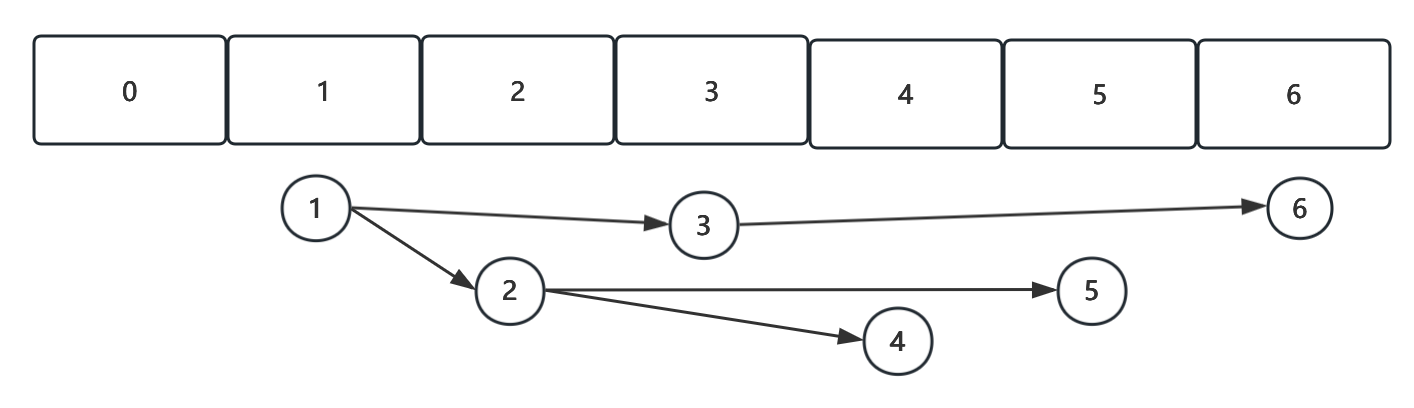
会发现以下规律:
- 左节点索引是当前节点索引值的2倍;
- 右节点索引是当前节点索引值的2倍加1;
- 父节点是当前节点索引值除于2的商;
基于以上数组实现完全二叉树逻辑结构的规律,只要在其基础上维护好优先级队列的特性,就很容易实现一个优先级队列的数据结构;
当添加数据时,从最后位置进行添加,因为要维护节点值的顺序,所以需要和父节点进行比较并交换位置;
当删除数据时,从第一个节点开始删除,因为要维护节点值的顺序,所以需要和子节点进行比较并交换位置;
本博客所有文章除特别声明外,均采用 CC BY-NC-SA 4.0 许可协议。转载请注明来源 青柠!
相关推荐
2025-09-12
【力扣23】合并k个升序链表
题目给你一个链表数组,每个链表都已经按升序排列。 请你将所有链表合并到一个升序链表中,返回合并后的链表。 示例 1: 12345678910输入:lists = [[1,4,5],[1,3,4],[2,6]]输出:[1,1,2,3,4,4,5,6]解释:链表数组如下:[ 1->4->5, 1->3->4, 2->6]将它们合并到一个有序链表中得到。1->1->2->3->4->4->5->6 示例 2: 12输入:lists = []输出:[] 示例 3: 12输入:lists = [[]]输出:[] 提示: k == lists.length 0 <= k <= 10^4 0 <= lists[i].length <= 500 -10^4 <= lists[i][j] <= 10^4 lists[i] 按 升序 排列 lists[i].length 的总和不超过 10^4 实现代码方式一 基于优先级队列的特性,先将所有链表添加到优先级队列中,那么就会给每个...
2025-10-22
【力扣80】删除有序数组中的重复项II
题目给你一个有序数组 nums ,请你** 原地** 删除重复出现的元素,使得出现次数超过两次的元素只出现两次 ,返回删除后数组的新长度。 不要使用额外的数组空间,你必须在 原地 修改输入数组 并在使用 O(1) 额外空间的条件下完成。 说明: 为什么返回数值是整数,但输出的答案是数组呢? 请注意,输入数组是以**「引用」**方式传递的,这意味着在函数里修改输入数组对于调用者是可见的。 你可以想象内部操作如下: 12345678// nums 是以“引用”方式传递的。也就是说,不对实参做任何拷贝int len = removeDuplicates(nums);// 在函数里修改输入数组对于调用者是可见的。// 根据你的函数返回的长度, 它会打印出数组中 该长度范围内 的所有元素。for (int i = 0; i < len; i++) { print(nums[i]);} 示例 1: 123输入:nums = [1,1,1,2,2,3]输出:5, nums = [1,1,2,2,3]解释:函数应返回新长度 length = 5, 并且原数组的前...

2025-10-23
【力扣88】合并两个有序数组
题目给你两个按 非递减顺序 排列的整数数组 nums1 和 nums2,另有两个整数 m 和 n ,分别表示 nums1 和 nums2 中的元素数目。 请你 合并 nums2 到 nums1 中,使合并后的数组同样按 非递减顺序 排列。 **注意:**最终,合并后数组不应由函数返回,而是存储在数组 nums1 中。为了应对这种情况,nums1 的初始长度为 m + n,其中前 m 个元素表示应合并的元素,后 n 个元素为 0 ,应忽略。nums2 的长度为 n 。 示例 1: 1234输入:nums1 = [1,2,3,0,0,0], m = 3, nums2 = [2,5,6], n = 3输出:[1,2,2,3,5,6]解释:需要合并 [1,2,3] 和 [2,5,6] 。合并结果是 [1,2,2,3,5,6] ,其中斜体加粗标注的为 nums1 中的元素。 示例 2: 1234输入:nums1 = [1], m = 1, nums2 = [], n = 0输出:[1]解释:需要合并 [1] 和 [] 。合并结果是 [1] 。 示例 3: 12345输入:nums1 =...

2025-11-07
前缀和数组
用于求出数组中索引区间元素和 题目一维数组前缀和Leetcode303:区域和检索-数组不可变 给定一个整数数组 nums,处理以下类型的多个查询: 计算索引 left 和 right (包含 left 和 right)之间的 nums 元素的 和 ,其中 left <= right 实现 NumArray 类: NumArray(int[] nums) 使用数组 nums 初始化对象 int sumRange(int i, int j) 返回数组 nums 中索引 left 和 right 之间的元素的 总和 ,包含 left 和 right 两点(也就是 nums[left] + nums[left + 1] + ... + nums[right] ) 示例 1: 1234567891011输入:["NumArray", "sumRange", "sumRange", "sumRange"][[[-2, 0, 3, -5, 2, -1]], [0, 2], [2, 5], [0, ...

2025-10-25
【Spring Framework】自动装配
问题思考 自动装配是什么? 自动装配解决了什么问题? 没有自动装配的时候是怎么注入依赖的?假设用xml方式进行元数据配置,如下: 未使用自动装配 1234567891011121314151617181920212223242526272829303132333435363738394041424344454647public class Person { private Superpower superpower; public Superpower getSuperpower() { return superpower; } public void setSuperpower(Superpower superpower) { this.superpower = superpower; }}public class Superpower { private String name; private String description; ...
2025-09-17
【力扣104】二叉树的最大深度
题目给定一个二叉树 root ,返回其最大深度。 二叉树的 最大深度 是指从根节点到最远叶子节点的最长路径上的节点数。 示例 1: 12输入:root = [3,9,20,null,null,15,7]输出:3 示例 2: 12输入:root = [1,null,2]输出:2 提示: 树中节点的数量在 [0, 104] 区间内。 -100 <= Node.val <= 100 实现代码 通过二叉树的递归遍历(DFS)实现 方式一 前序遍历 1234567891011121314151617181920212223242526272829303132333435363738394041424344/** * Definition for a binary tree node. * public class TreeNode { * int val; * TreeNode left; * TreeNode right; * TreeNode() {} * TreeNode(int val)...
评论
系列文章